
Description
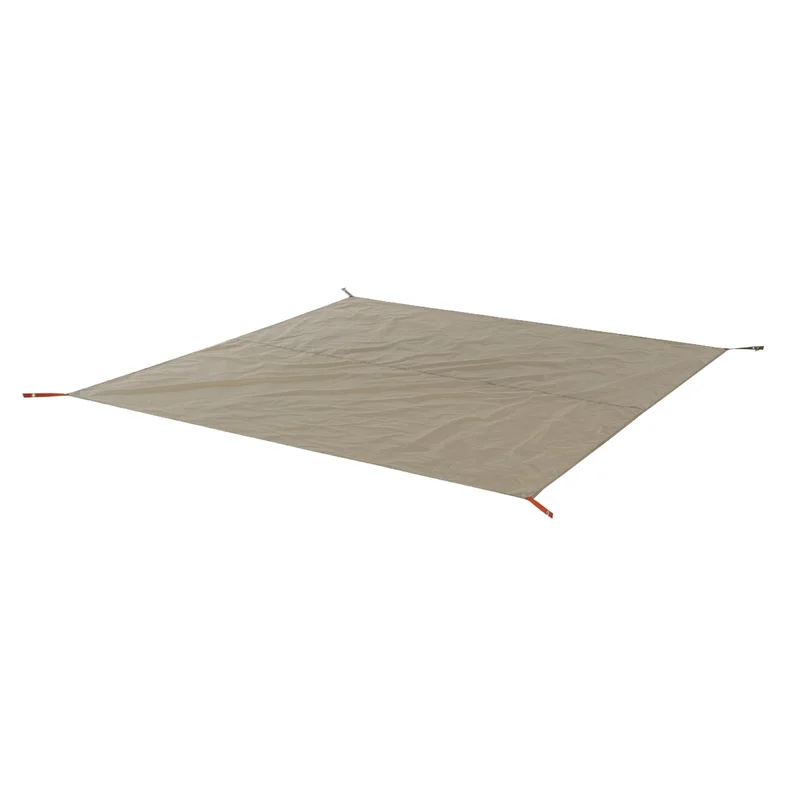
Spicer Peak 6 FootprintProtective ground cover for Spicer Peak 6 Tent
To extend the life of your tent floor, we recommend using a Big Agnes footprint. The Big Agnes footprint also enables you to pitch a lightweight, Fast Fly shelter while leaving the tent body behind. The Fast Fly configuration requires the footprint, tent fly, poles, and stakes.
FeaturesCompatibilityCompatible with the Spicer Peak 6 TentSpecsPacked Size2.5″ x 13″ x 25″Footprint Weight1lb 3ozMaterialsFabricPolyester taffeta with 1500mm waterproof PU coatingStorageGuidelinesAlways make sure your tent is dry and free of debris before storing. Fold and roll your tent a different way each time to avoid permanent creases. Store in a cool, dry place. Never leave your tent in hot temperatures (such as a car trunk or attic space) for long periods of time, as it will damage the material coatings. Storing your tent damp can result in mildew growth, which may cause your tent to smell, leak, or delaminate. Mildew damage is not covered under warranty.CleaningLight CleaningFor light cleaning, sponge the product with warm water (not hot).Supplies NeededWash basin (or bath tub), Warm water (not hot), Waterproof Gear Cleaner (we recommend products like Nikwax Tech Wash), SpongeStep 1Submerge your gear in warm, clean water. Gently agitate with hands. Empty dirty water. Repeat until most of the excess dirt/grime is removed and water is mostly clear.Step 2Apply waterproof gear specific wash and gently work into fabric with sponge.Step 3Rinse gear thoroughly.Step 4Hang it up to dry.Step 5Triple check that your gear is completely dry before storage or use.Important NotesWarningsDo not dry clean or machine-wash. Detergents and dry cleaning solvents will damage the fabric and ruin waterproofing. Never use hot water, bleach, liquid detergents, or dishwashing liquids. Allow to dry COMPLETELY before storage or use. Avoid prolonged direct sunlight as UV exposure can compromise waterproofing.Seam SealingFactory SealedBig Agnes tents are seam sealed as part of our manufacturing process! This seam tape alone is durable enough to prevent water leakage. Any seams that have been taped do not need to be seam sealed with a liquid sealer unless you want extra protection. Make sure the seam-sealer is completely dry before re-packing your tent. Damage caused by misapplication may void warranty.ZippersMaintenanceKeeping your zippers clean will help keep the coils and sliders from wearing out. If filled with dirt, vacuum or brush zippers before storing tent. We recommend Gear Aid Zipper Cleaner and Lubricant.Repairs and WarrantyCoverageAll Big Agnes tents are guaranteed against manufacturing or material defect. We do not warranty products damaged from normal wear and tear, alteration made by owner, misuse, accidents or damages caused by uses other than intended. Damage due to misuse, normal wear and tear, or improper care may be repaired, at the discretion of Big Agnes, at a reasonable charge. Tents returned for repair must be clean and free of debris.Spicer Peak Set Up InstructionsStep 1Remove contents from stuff sacks and spread out the tent body over your desired camp site.Step 2Assemble the poles: two longer, main poles and a single, shorter ridge pole.Step 3To ensure each pole section is fully seated, insert each pole section into the next by hand, instead of allowing the shock cord to snap them together.Step 4Slide the two longer, main poles through the crossing pole sleeves and hoist the tent by securing the pole tips into the grommets at each webbing corner.Step 5Working your way around the perimeter of the tent, connect the tent clips to the poles at each corner.Step 6Insert the shorter ridge pole into the ridge pole sleeve and secure pole tips into the clips located above each door.Step 7At this point you will have a free-standing structure. Secure all 4 corners by staking them out.Step 8Drape the rainfly over the tent body and match the colors of the webbing on the fly with the webbing on the body.Step 9Insert the ridge pole tips and clips into the small pockets located on the underside of the rainfly near the tops of the vestibule zippers.Step 10Attach all hook and loop tabs on the underside of the fly to the corresponding poles. These are located beneath the guy-out points and should be properly secured to the poles for best structural integrity.Step 11Make sure the webbing at each buckle on the fly is completely slackened. Attach the buckles on the fly to those on the tent body, being sure to match the buckle color.Step 12Tighten the webbing on each corner buckle as needed to keep the fly taut.Step 13Stake out the vestibule doors.Step 14Stake out all guy-lines and adjust as needed to take out the remaining slack.Step 15Enjoy your Spicer Peak tent!Field RepairEmergency RepairSeparate 6″ length pole segment included for emergency field repair. Slide repair pole over the break to act as a splint. Secure splint in place with tape.Fast Fly Set UpNoteIf you purchase the optional Big Agnes Spicer Peak footprint for your tent, it will enable you to pitch a Fast Fly shelter while leaving the tent body behind. The Fast Fly configuration requires the footprint, tent fly, poles, and stakes.Step 1Lay the footprint on the ground and stake out all four webbing corners.Step 2Assemble the poles: two longer, main poles and a single, shorter ridge pole. To ensure each pole section is fully seated, insert each pole section into the next by hand, instead of allowing the shock cord to snap them together.Step 3Place the two long poles in an ‘X’ on the ground with the ends near each corner of the footprint. Place the shorter, ridge pole on top of the ‘X’, centered between the same-colored footprint corners.Step 4Drape the rainfly over the poles matching the colors of the webbing on the fly with the webbing on the footprint.Step 5Attach the long hook and loop strap on the underside of the center of the fly around all three poles.Step 6Insert the ends of the ridge pole into the small pockets located on the underside of the rainfly near the tops of the vestibule zippers.Step 7Hoist the structure by lifting the poles and inserting the tips of the long poles into the grommets at each footprint corner.Step 8Attach the hook and loop tabs located beneath the guyout points to the corresponding poles. They should be properly secured to the poles to improve overall structural integrity.Step 9Make sure the webbing at each buckle on the fly is completely slackened. Attach the buckles on the fly to those on the footprint, being sure to match the buckle color.Step 10Tighten the webbing on each corner buckle as needed to keep the fly taut.Step 11Stake out the vestibule doors.Step 12Stake out all guy-lines and adjust as needed to take out the remaining slack.Step 13Enjoy your Spicer Peak tent!Helpful Hints For Tent Set UpPracticeOur tents are easy to set up, but we suggest you practice once at home before using them for the first time to avoid late night bickering with tent mates while fumbling around in the dark.Clear SiteBefore pitching tent, clear campsite of debris that may pierce tent floor.StakingWe recommend staking out all corners, vestibules and guylines to increase space and ventilation. Securely staking out your tent and all guylines is crucial to maintaining the structural integrity of your tent.Stuff SacksHang onto your stuff sacks or they’ll blow away and create backcountry litter.Pole SleevesPull on the pole sleeve fabric when inserting poles to avoid any bunching in the material. Push rather than pull poles through pole sleeves.
Reviews
There are no reviews yet.